
Park Vogelenzang Redevelopment
Repositioning a Historic Estate for Inclusive Living
Together with Hurks a Dutch construction company and RROG we’ve engineered the acquisition of a former monumental health site.
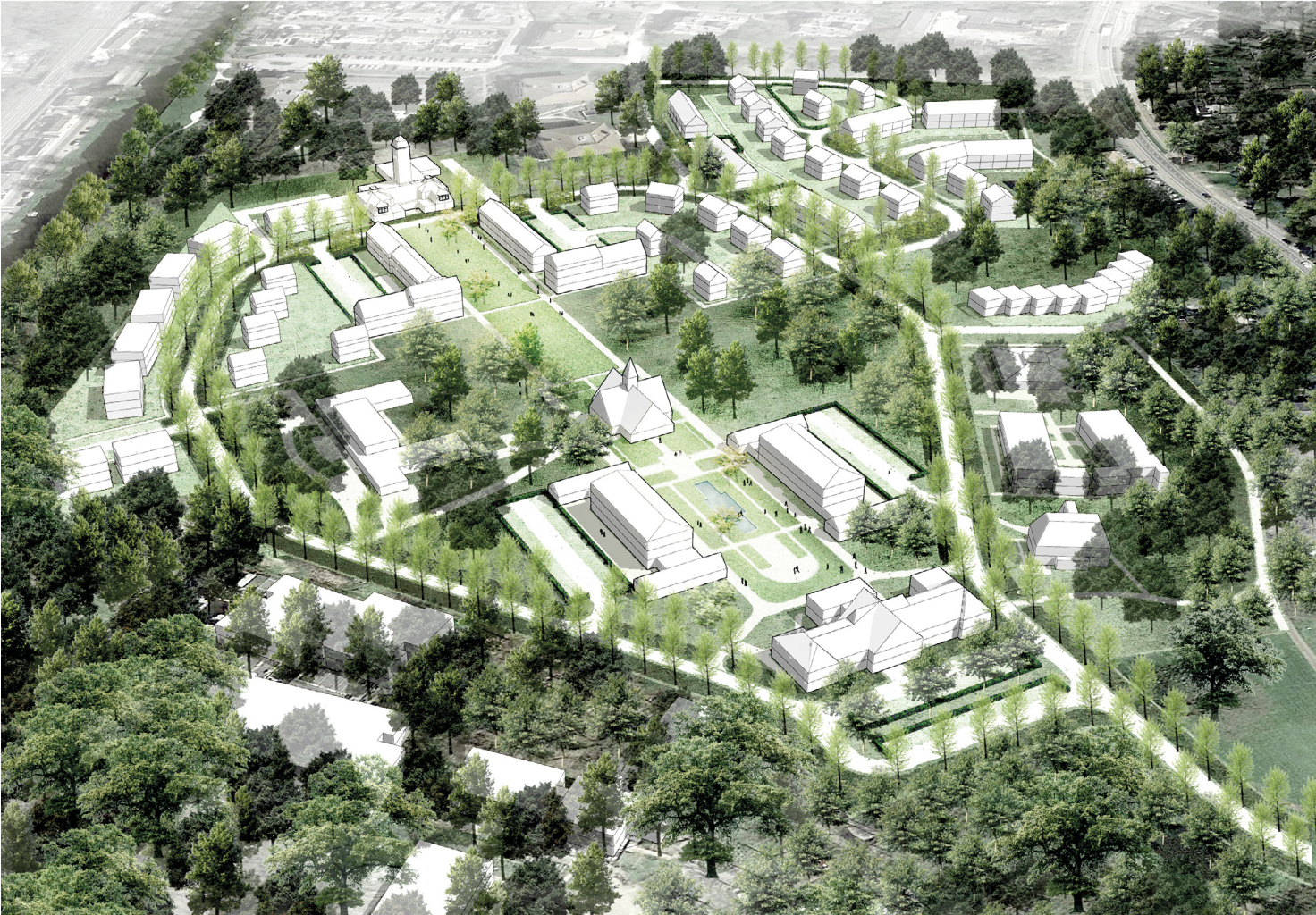
The ambition of Park Vogelenzang is to open up and reposition a historic care estate into a future-proof living environment where care, housing and landscape are naturally integrated. The project represents a transition from a closed institutional site to an open park with a mixed programme and a strong spatial identity.
At its core lies the preservation and enhancement of the site’s landscape and heritage qualities, combined with a carefully differentiated residential programme for a diverse range of users. The overarching ambition is to create a sustainable, inclusive and socially embedded environment that delivers long-term societal value.
Key Ambitions
Reposition a closed institutional care estate into an open, publicly accessible park with a mixed residential and social programme.
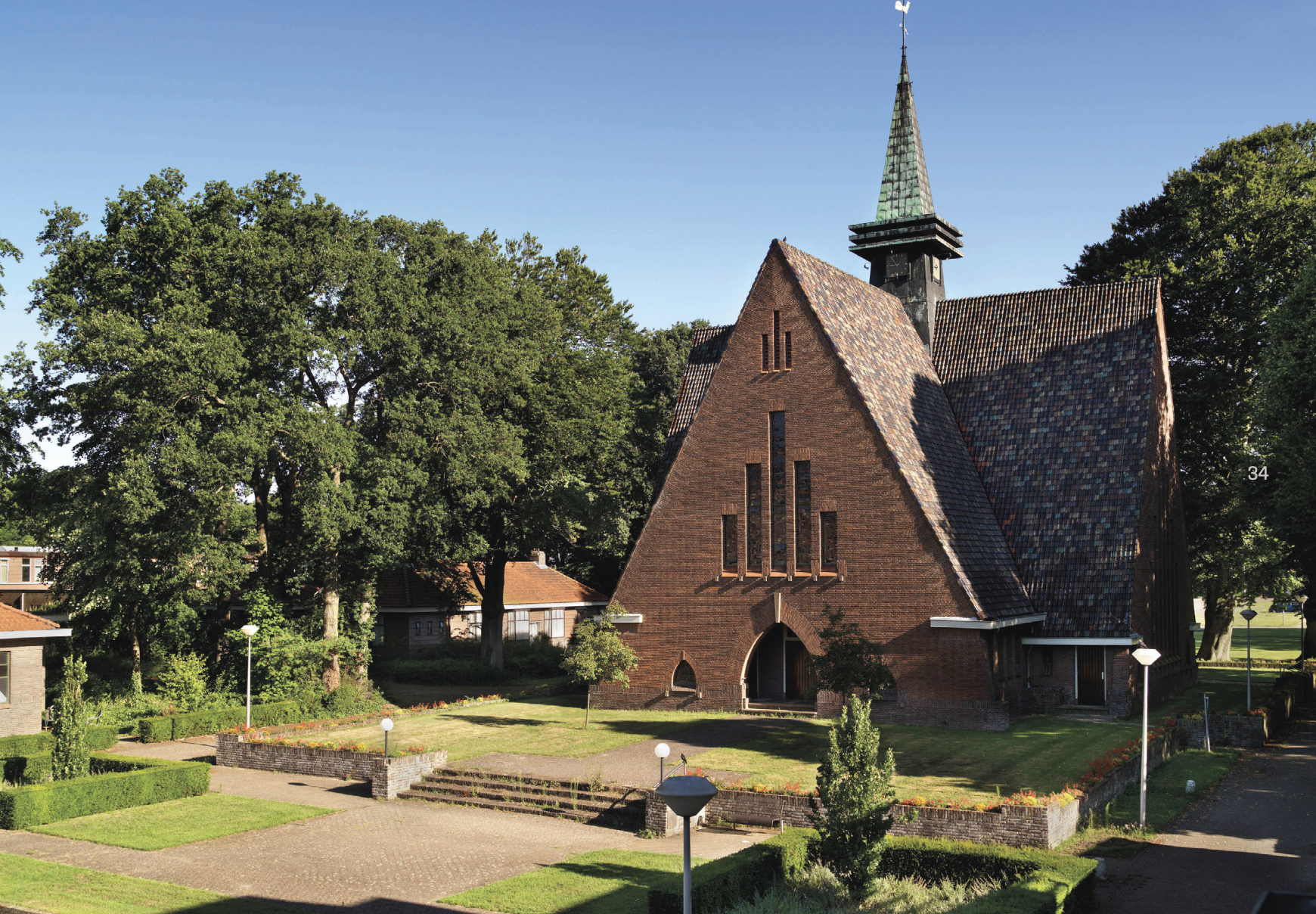
Preserve and strengthen the historic landscape structure, monumental axis and heritage buildings as the backbone of the development.
Deliver a diverse housing programme (approx. 235 homes) accommodating multiple target groups, including social rental, mid-market and owner-occupied housing.
Integrate living and care through soft zoning: clear functional separation combined with meaningful spatial and social connections.
Create long-term societal value by embedding inclusivity, well-being and community interaction in the spatial design.
Key data
Program: The masterplan for Park Vogelenzang (38 ha) includes:
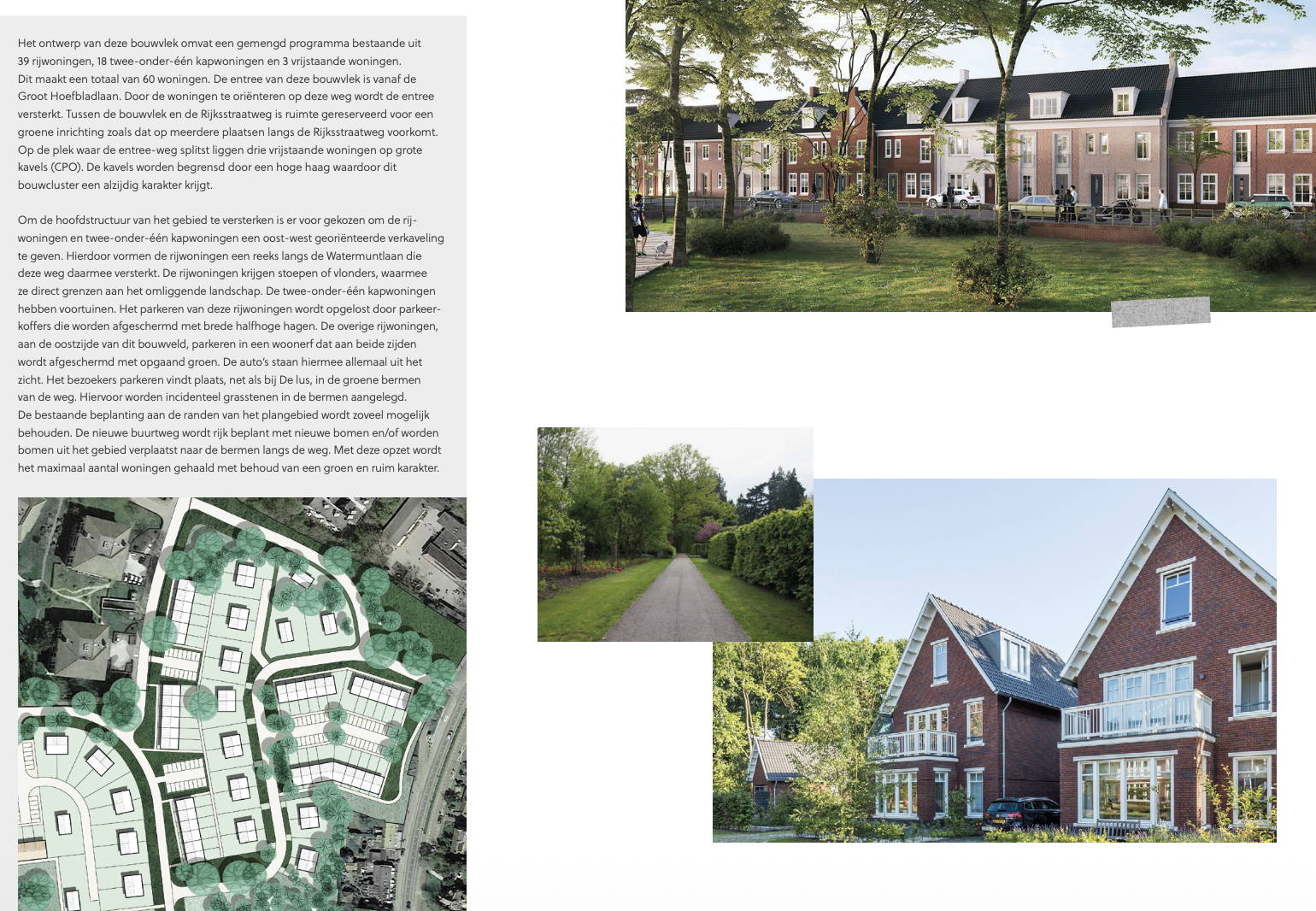
Approx. 235 dwellings, including:
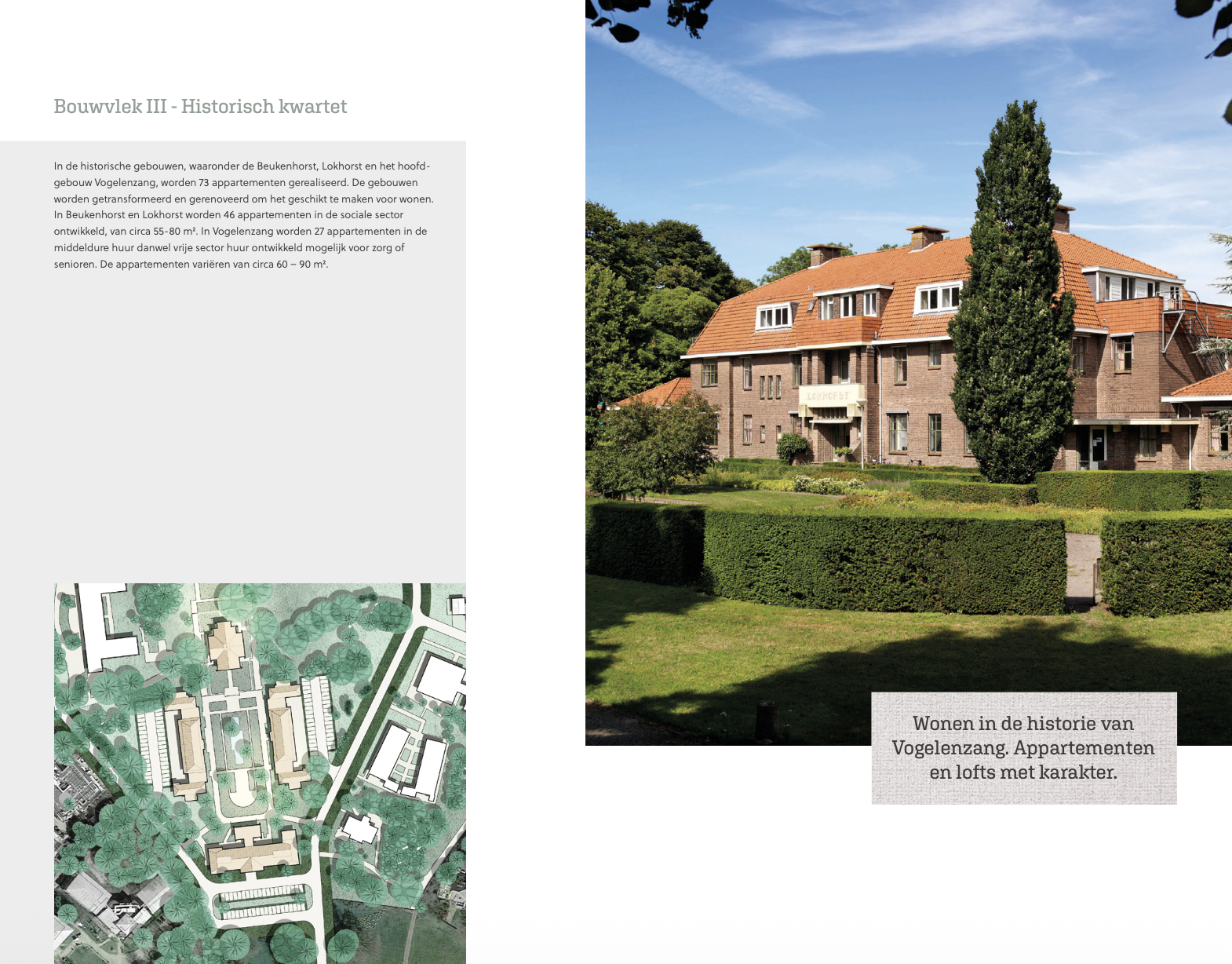
Social rental apartments (including heritage buildings)
Mid-market and free-sector rental housing
Family home
Senior housing and collective housing initiatives (CPO)
Transformation of historic buildings into characterful apartments and lofts.
Complementary non-residential functions enhancing daily life and social interaction:
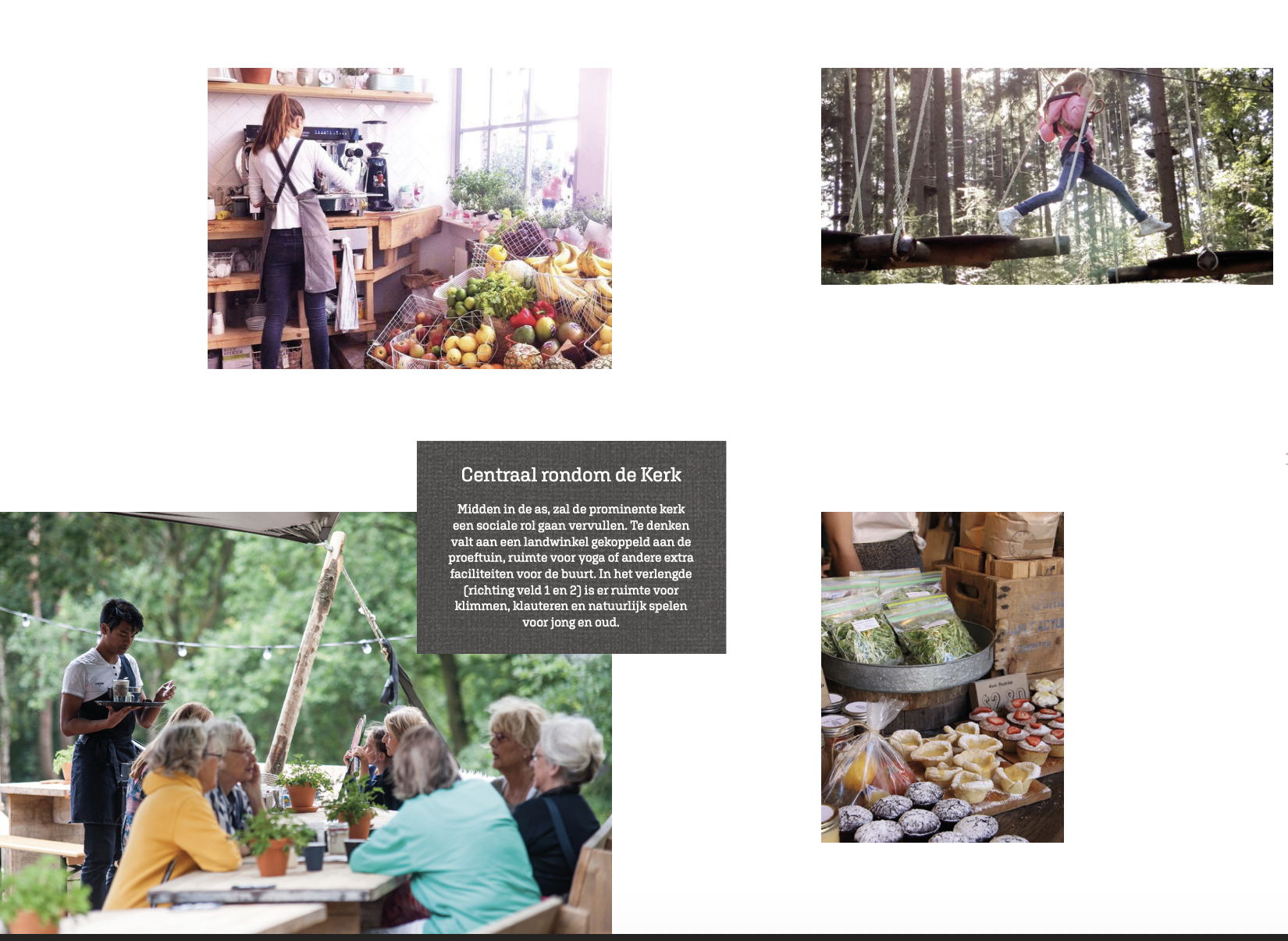
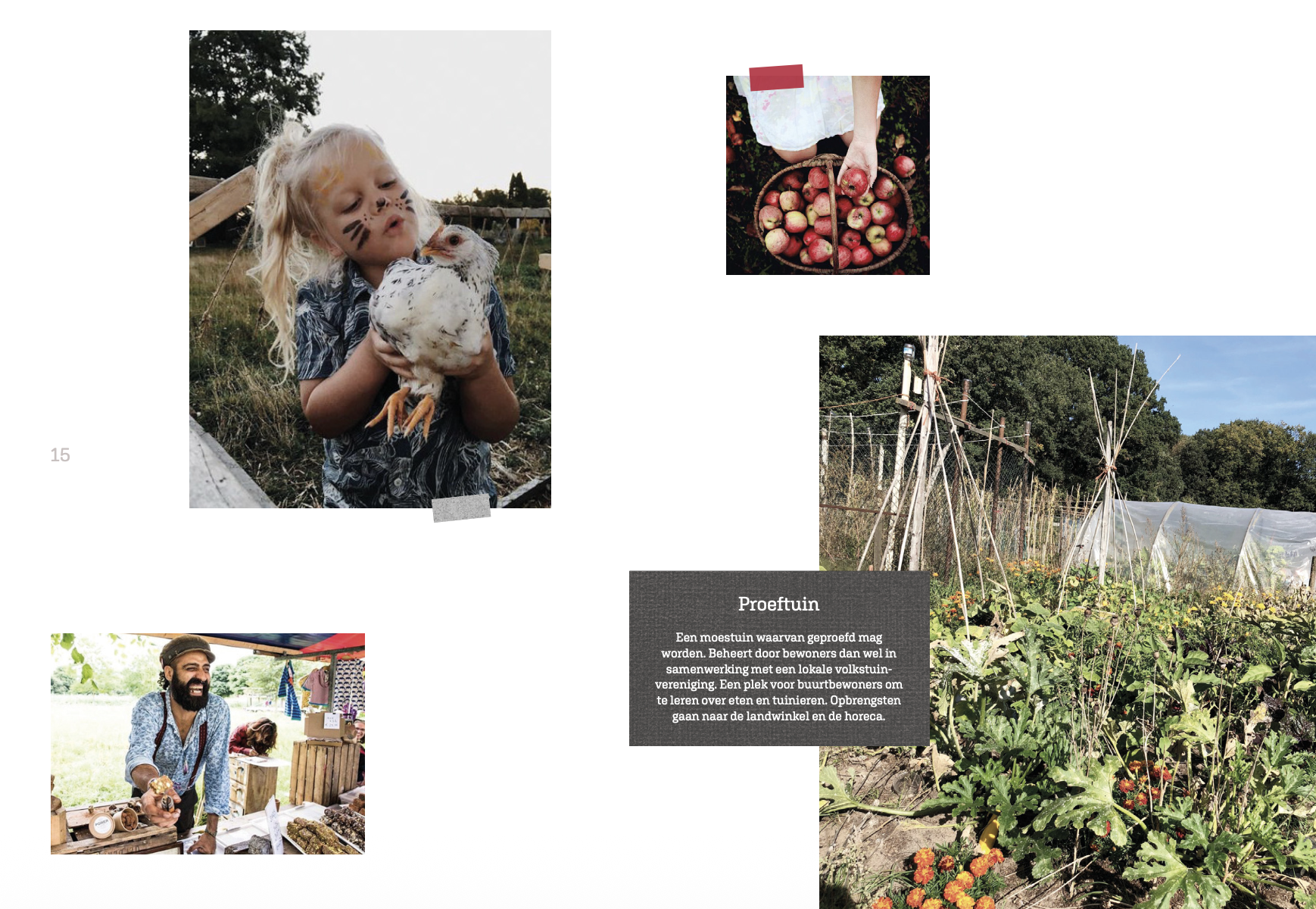
Small-scale hospitality and retail
Community facilities and neighbourhood-oriented programmes
Bed & Breakfast in a landmark heritage structure
A strong public realm structured around:
A central monumental axis as the social and spatial heart of the park
Green east–west connections
Informal mobility and “low-traffic, pedestrian-oriented circulation”
Landscape-led development: the existing park structure functions as the primary spatial framework, guiding urban design, phasing and programme distribution.
Phased and flexible implementation: development is structured in clear phases, allowing gradual transformation while maintaining continuity for existing users and care functions.
Stakeholder-driven process: close coordination with care institution, municipality and local stakeholders to ensure feasibility, acceptance and long-term governance.
Integrated planning: urban design, programme, sustainability, management and exploitation are aligned from the initiative phase onward.
Our role: strategic advisory and process management in the early development stages, focusing on acquisition, feasibility, stakeholder alignment and decision-making.
Strategy & Approach
Design & Sustainability
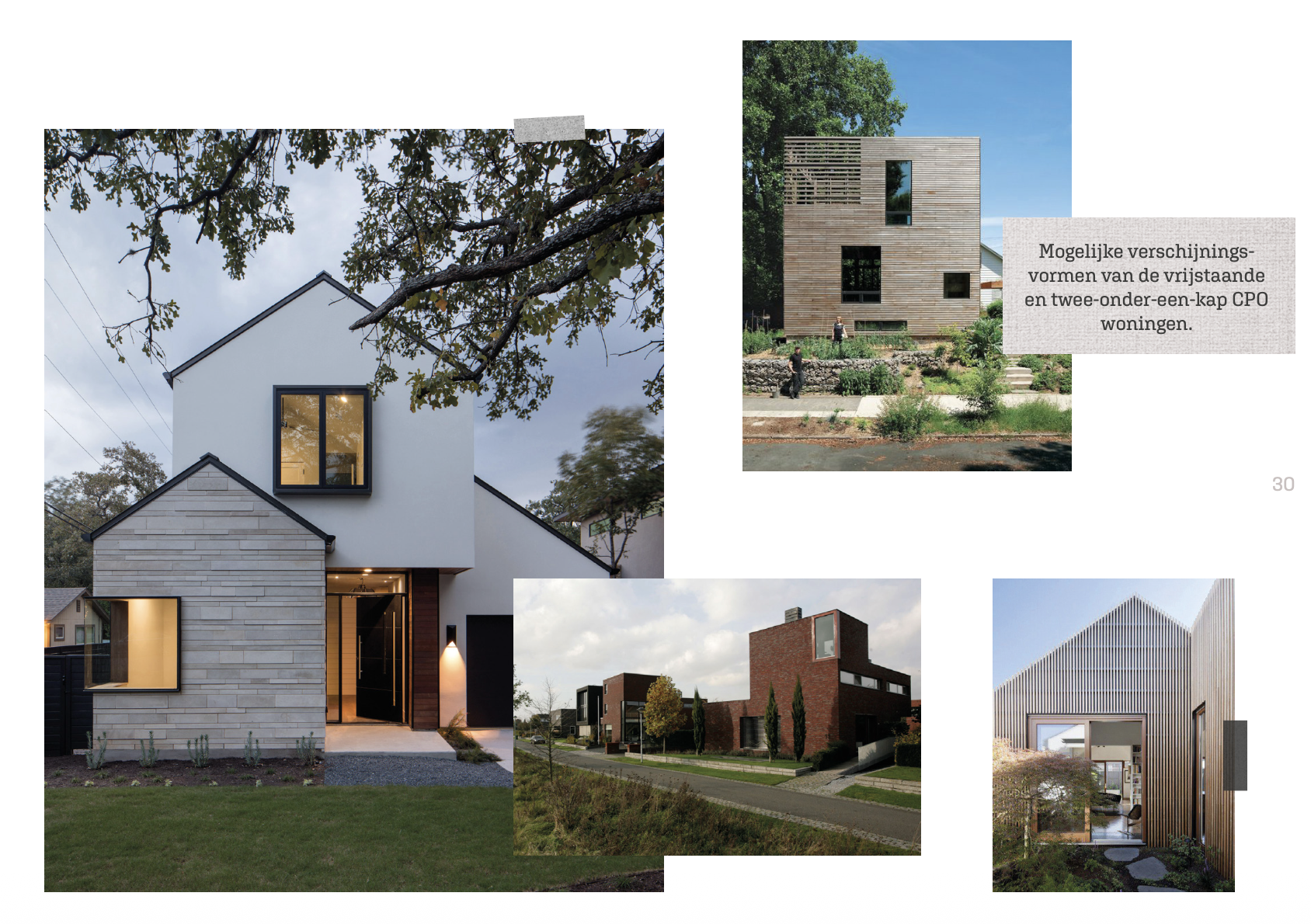
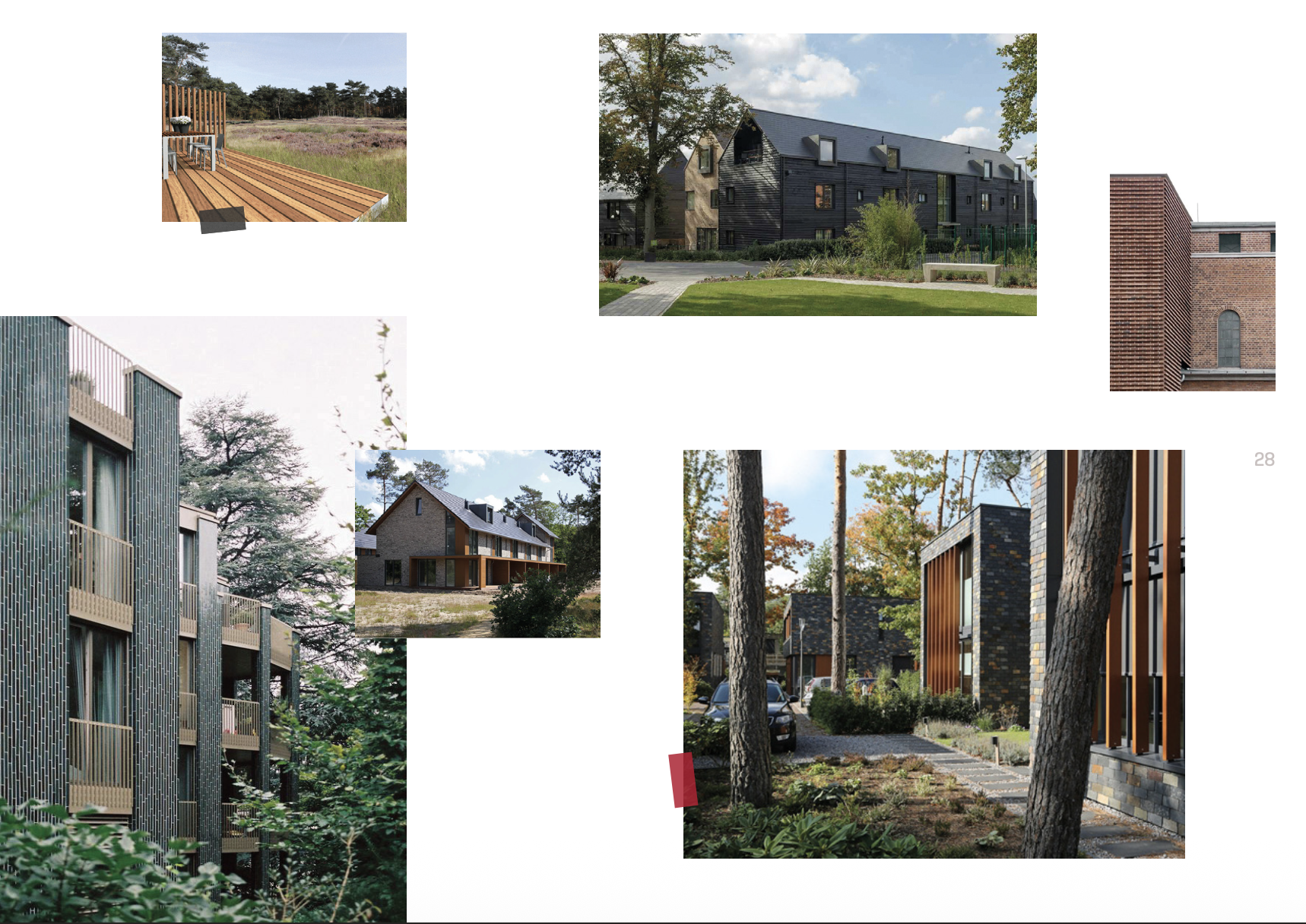
Contemporaryarchitecture with subtle references to the historic context, respecting scale, materiality and spatial hierarchy.
Landscapeasclimateinfrastructure: minimal hardscape, extensive green structures, wadi systems and biodiversity-enhancing measures.
Area-based sustainability strategy including:
Collectiveenergy solutions (e.g. WKO and PV)
Climate-adaptive water management
Circularmaterial use and on-site reuse of demolition material
Socialsustainability embedded through shared spaces, community programmes and inclusive public areas.
Long-term resilience achieved by integrating environmental, social and cultural sustainability at the level of the entire estate.